
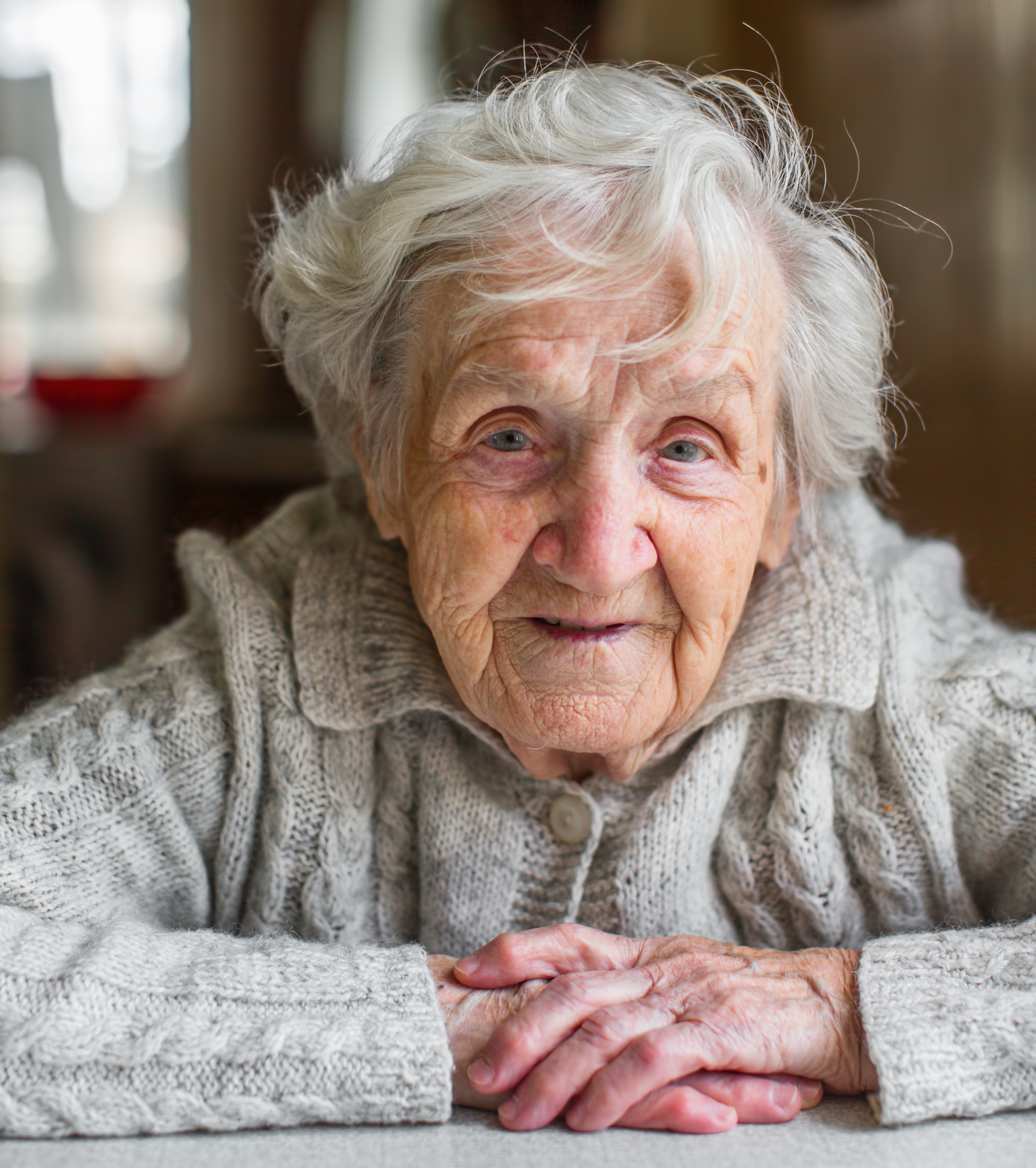
I’d like to share with you a true story about the incredible power of peer support. There was a woman I’ll call Olivia, who was transferred to a care home where I worked, because of repeated “incidences of aggression”. It was her third transfer in three years.
She spent all of her time alone in her room. Sleeping, listening to music on headphones, or simply lying in bed with her eyes closed. If you passed her in the hallways, as she was coming to and from meals, she ignored you, head down, grunting occasionally when you said hello. She had a walker, one solitary single tooth, beautiful eyes, and oh, she was notoriously cranky. She had a unique repertoire of colorful language and most everyone was a bit afraid of her – including me.
She had no friends. None. No one came to visit her, except for a brother, who lived a long ways away in a northern town. He flew down once a year for her care conferences. At her first care conference, her brother told us a little about their history. He was much older than her and they were both adopted. Olivia had suffered some terrible abuse in her childhood after he left home and had become reclusive and aggressive. He loved his younger sister, but couldn’t manage her care himself as he had children at home. The previous homes he had placed her in had already tried everything. Because of her aggression, she was heavily medicated.
We told him we would do our best. But, as time went on she refused all invitations to attend the programs we had. Staff complained often that she was belligerent at bath times. She sat alone at meals because the other residents didn’t want to sit with her. We talked at our staff meetings and tried to come up with creative approaches but all attempts failed. Utterly. Most staff just gave up on her.
During that time, I had just started up a peer support group called the Java Music Club. It was meant to be a support group for those that didn’t usually attend programs. This group bonded quickly – sharing what was going on their lives, supporting and caring for each another. They laughed and cried together. They started to reach out and invite others to their group, the ones that they noticed were lonely or isolated in their neighbourhood.
But Olivia refused all invitations. She was one of those that I couldn’t leave behind when I left work at the end of the day. I was driving home each night to my loving husband and my dog. I couldn’t stand the thought of her alone in her room day after day. It was breaking my heart. I couldn’t even imagine that kind of loneliness. I repeatedly tried to engage her but nothing worked.
I knew one thing about Olivia. It wasn’t a secret, she loved sweets. All kinds. So even though our Java Music Club group met in the mornings after breakfast, I decided to bring in some chocolate one day. I went to invite Olivia and said my usual; ”Hi Olivia, we’re having the Java Music Club again today – I’d love to see you there.” And then I added; “Oh, and by the way, we’re having chocolate today”. I got the usual grunt and no other response.
But then, just as our group was about to sing our opening song, in walks Olivia! Head up, scouting for the chocolate. I held my breath, pretended like it was just another regular day and said: “Oh hi, Olivia, come on in, have a seat. I’m so glad you came”, and carried right on, before she could change her mind. She sat. Didn’t sing, didn’t look at anyone. But she stayed. When the chocolate came around she grabbed a handful. She kept her head down, but I could see her eyes tracking the sharing that was going on. When the talking stick that we used was passed to her, she just passed it right on with a grunt. Halfway through the group, she stood up abruptly, glared around the room and marched out. I called out in a cheerful voice: “Bye Olivia, see you next week – we’re having donuts I think, aren’t we group?”
I was elated! I went to our staff meeting that week and couldn’t stop talking about it. The next week she came again. I held my breath, passed the donuts, this time she looked up a little more often and stayed for the whole group. She didn’t share, but as she was leaving, she tossed a single word over her shoulder: “Bye!”
She became a regular of the Java Music Club. It felt like a miracle. It was the only thing she did all week, but it was something. About a month later, one of the group members chose the topic of happiness. The talking stick came to her and she suddenly grabbed it. I froze. It was a perfect opportunity for her to wop her annoying fellow residents over the head. But she didn’t. Instead, she shared, haltingly, about a dog she used to have as a child. A large black dog; “… he was my friend”. Other group members started to share about the dogs they had loved too. When they were done, she passed the talking stick on, and gave the group a beautific one toothed smile. It was like the sun came out from behind the clouds.
We began to notice little things, like she would say hello to others in the hallways. Other residents began to say hello to her too. She began to attend other programs here and there. Now – don’t get me wrong, I’m not saying she turned into little Miss Sunshine…but even the care staff were waying to us,…. “Who is that woman!” Then we saw her pushing one of the residents in a wheelchair, helping them to the dining room. That was something. And oh, she would occasionally smile that beautiful smile.
A year later, her brother came down for her care conference. It was like a fairy tale. We showed him her attendance stats and told him about her transformation. He began to cry. We cried right along with him. It was one of the happiest care conferences I have ever had the privilege of attending.
Olivia went from being apart from to being a part of. That’s the power of peer support.
Revised and Reposted – by Dr. Kristine Theurer
Photo Credit: ID 121672872 © Dimaberkut | Dreamstime.com